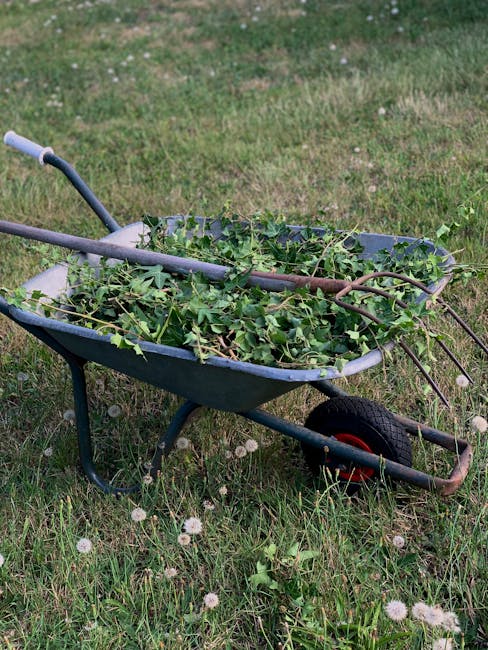
Riddlesdown garden waste removal options in Sanderstead
If you are looking at a pile of hedge cuttings, branches, turf, old soil, and that one stubborn broken planter, you are probably past the "I'll deal with it later" stage. Fair enough. Riddlesdown garden waste removal options in Sanderstead are really about finding the quickest, cleanest, and most cost-effective way to clear green waste without turning your driveway into a small, mossy battlefield.
This guide walks through the main ways to handle garden waste in the local area, what each option is best for, how the process usually works, and the practical mistakes people make when they rush it. You will also find a comparison table, a checklist, and a realistic example from an everyday garden tidy-up. If you want to explore dedicated service details while reading, the page for garden waste removal is a useful place to start, and recycling and sustainability gives more context on how waste is handled responsibly.
Table of Contents
- Why Riddlesdown garden waste removal options in Sanderstead Matters
- How Riddlesdown garden waste removal options in Sanderstead Works
- Key Benefits and Practical Advantages
- Who This Is For and When It Makes Sense
- Step-by-Step Guidance
- Expert Tips for Better Results
- Common Mistakes to Avoid
- Tools, Resources and Recommendations
- Law, Compliance, Standards, or Best Practice
- Options, Methods, or Comparison Table
- Case Study or Real-World Example
- Practical Checklist
- Conclusion
- Frequently Asked Questions
Why Riddlesdown garden waste removal options in Sanderstead Matters
Garden waste looks simple until it starts building up. A few clipped branches here, a bag of leaves there, and suddenly the shed is full, the boot is muddy, and the path is no longer usable. In a place like Riddlesdown, where many homes have manageable but busy gardens, the main challenge is not just the volume. It is the awkward mix of waste types, the limited time people have to deal with them, and the need to dispose of everything properly.
That matters because green waste is not the same as general rubbish. Grass cuttings, hedge trimmings, small branches, weeds, and leaves are usually classed as garden waste and are best separated from soil, rubble, treated timber, and household junk. Once it is mixed badly, the options become narrower and more expensive. That is where choosing the right removal method saves time and frustration.
There is also a practical local angle. Many residents in Sanderstead and nearby areas want something that works around normal life: school runs, weekend jobs, wet weather, narrow front drives, or no easy place to store a skip. To be fair, a garden tidy-up rarely happens in perfect conditions. The right option is the one that fits the mess you have, not the one that sounds neatest on paper.
Expert summary: The best garden waste solution is usually the one that matches the waste type, access to the property, and how fast you need it gone. For small loads, man and van or wait-and-load can be ideal; for bigger clear-outs, skip hire or grab hire is often more efficient.
How Riddlesdown garden waste removal options in Sanderstead Works
Most garden waste removal services follow a similar pattern: you sort the waste, choose a collection method, arrange a time slot, and have the waste taken away for recycling or disposal. The details depend on the size of the job.
1. You identify the waste
Start by separating what you actually have. Green waste might include lawn clippings, branches, shrubs, hedge trimmings, and dead plants. Then there may be heavier or mixed items: soil, stones, old fence panels, flowerpots, broken tools, or bags of general rubbish. That split matters because not every service accepts every material in the same way.
2. You choose the collection method
For a straightforward garden clear-out, people in Sanderstead usually compare three main approaches:
- Skip hire for larger jobs or ongoing garden work
- Grab hire for bulky mixed loads or waste that is hard to move by hand
- Man and van or wait-and-load for quick, flexible collection when you want the waste gone without leaving a container behind
If you are comparing container-based solutions, it helps to look at skip hire alongside wait-and-load skip hire, because those two suit very different kinds of garden job.
3. The load is removed and sorted
Once collected, the waste is usually taken to a facility where recyclable green waste is separated from non-recyclable items. This is one reason people like using a provider with a clear approach to waste recycling services. Good sorting does not just sound responsible; it can reduce contamination and improve how much of your garden waste is recovered.
4. Special items are dealt with separately
If your pile includes old appliances, a broken garden fridge in the outbuilding, or a sofa dragged outside after a declutter, you may need a different service. The site has dedicated pages for items like fridge and appliance removal and mattress and sofa disposal, which helps keep mixed waste from causing headaches later.
Key Benefits and Practical Advantages
The biggest benefit is obvious: less mess, less stress. But the practical advantages go beyond clearing space.
- Faster garden use - You get patios, lawns, and borders back in working order quickly.
- Cleaner access - No piles of thorny cuttings blocking side paths or gates.
- Safer handling - Heavy bags, wet leaves, and sharp branches are easier to move when handled properly.
- Better presentation - Handy if you are preparing a property for sale, letting, or simply spring-cleaning the garden.
- More reliable disposal - A professional approach reduces the risk of leaving waste behind or mixing materials incorrectly.
- Less double handling - Especially useful if you would otherwise bag everything, load the car repeatedly, and still have a heap left over.
There is also a less obvious benefit: peace of mind. Once garden waste is under control, the rest of the job feels smaller. You stop seeing the whole garden as a problem and start seeing one afternoon's work. That sounds simple, but it genuinely changes how people approach the task.
Who This Is For and When It Makes Sense
This topic is not just for people with huge gardens. In fact, many of the best-fit jobs are fairly ordinary.
- Homeowners clearing up after a hedge trim, tree pruning, or seasonal tidy-up
- Landlords and agents dealing with overgrown gardens between tenancies
- Families clearing outside space after a busy summer of gardening projects
- Older residents who want help with lifting, loading, or handling awkward waste
- Gardeners and landscapers who need a reliable way to clear bulky green waste between jobs
- DIY renovators who have mixed garden and light outdoor waste from decking, fencing, or small landscaping work
It usually makes sense when the waste is too much for the household bins, too heavy for a normal car load, or too awkward to keep shifting around. If you only have a few bags of grass cuttings, you may not need a major service. But once branches, soil, and timber enter the mix, the calculus changes fast.
And let's be honest, dragging damp hedge trimmings through the house is nobody's idea of a good Saturday.
Step-by-Step Guidance
If you want the simplest possible route, use this process.
- Walk the garden and sort the waste. Separate green waste from soil, rubble, treated wood, plastic pots, and general rubbish. If it is mixed, group it by material as best you can.
- Estimate the volume. Think in terms of bin bags, loose piles, or trailer loads. A small tidy-up may only need collection; a full overhaul may need a skip or grab lorry.
- Check access. Is there room for a skip on the drive? Can a vehicle get close enough for a wait-and-load service? Are there tight corners, low branches, or parking restrictions to consider?
- Choose the right option. If you need space on site for a few days, skip hire can work well. If you want speed and no container left behind, wait-and-load or man and van may be better. For heavy, bulky loads, grab hire can save a lot of lifting.
- Confirm what is accepted. Use the page on what can go in a skip to avoid accidental contamination if you are using a skip-based option.
- Book a collection or delivery slot. Choose a time that suits the job, especially if you are cutting everything on the same day.
- Load safely. Keep sharp sticks together, bag light waste where useful, and avoid overfilling. Wet garden waste gets heavier than people expect. It really does.
- Final sweep. Check corners, borders, and behind sheds so you do not leave small piles behind. A tidy finish makes the whole job feel complete.
If you need fast turnaround, the page on same day skip hire can be useful for urgent clear-outs, while book online is convenient if you already know what you need.
Expert Tips for Better Results
Small choices make a big difference. After enough garden clearances, a few habits stand out.
- Cut down waste before loading. Longer branches take up more room than you think. A few extra snips can halve the volume.
- Keep soil separate. Soil is heavy and can change the cost or suitability of your chosen option. Do not bury it under lighter waste unless you have been told it is acceptable.
- Use bags for loose material. Leaves, weeds, and grass are easier to move and lift if contained.
- Plan for rain. A soggy pile is harder to move, harder to carry, and a bit more miserable. Morning work is often better than late afternoon if the weather looks changeable.
- Think about the exit route. When bins, bikes, and flower pots clutter a narrow path, even a simple collection becomes awkward.
- Choose the method by access, not habit. People default to skips because they know skips. But if a grab lorry can reach the material easily, that may be the cleaner solution.
If you are unsure which method suits your garden, it can help to compare container-based removal with direct collection using grab hire services or a simpler man and van approach. Different gardens, different answers.
Common Mistakes to Avoid
The most common mistakes are usually practical, not technical.
- Mixing prohibited items into green waste. One rogue bag of rubble or a broken chair can create sorting issues.
- Underestimating volume. Garden waste expands, especially when it is loose and leafy. A small heap can become a lot once it is raked up.
- Forgetting access issues. Tight driveways, overhanging trees, and parked cars can delay collection.
- Choosing the wrong size or format. If you need flexibility, a fixed container may be less convenient than a lift-and-remove service.
- Leaving waste too long. Wet green waste starts to smell, attracts mess, and makes the garden look half-finished. Nobody wants that lingering there all week.
- Assuming every service handles every item. Garden clearances sometimes include old timber, garden furniture, or soil, and those are not always treated the same way.
One small but useful habit: take a quick photo of the pile before booking. It sounds almost too basic, but it helps people choose the right option and avoid surprises. Simple, but effective.
Tools, Resources and Recommendations
You do not need a truckload of equipment for a clean garden clearance, but a few tools make life easier.
- Heavy-duty rubble sacks for leaves, weeds, and light mixed waste
- Rake and tarpaulin to gather and move loose material without making extra mess
- Secateurs, loppers, or a small saw for reducing branch size
- Wheelbarrow for moving waste to the access point
- Gloves and sturdy footwear for obvious reasons, because thorny cuttings have no manners
For deeper planning, a quick read of skip sizes and prices can help if you are leaning toward a skip, while pricing and quotes is useful when you want a clearer picture before you commit. If you are interested in the company background and service approach, about us is worth a look too.
If your project spills beyond the garden into a wider clear-out, you may also find site clearance or house clearance relevant, especially where the boundary between outdoor waste and household clutter starts to blur.
Law, Compliance, Standards, or Best Practice
With garden waste removal, the key thing is to use a responsible carrier and make sure waste is handled in line with normal UK expectations for disposal and recycling. You do not need to become a compliance expert, thankfully, but a few points matter.
First, waste should be transferred to an authorised carrier or facility. That is standard practice. Second, garden waste should be separated as cleanly as possible from general waste so it can be treated appropriately. Third, anything unusual, such as treated timber, chemicals, or contaminated materials, may need a different route. That is not just best practice; it helps reduce risk and avoid contamination.
Where permits are involved, especially if a skip needs to sit on a public road, the right permit process should be followed. If that sounds relevant, the pages on skip hire permits and skip permits explain the general idea clearly. And if you are comparing providers, insurance and operational care are worth checking too, which is why insurance and safety and health and safety policy are reassuring pages to review.
Best practice is not flashy. It usually looks like this: sort well, load safely, avoid contamination, and choose the method that suits the waste rather than forcing the waste to suit the method.
Options, Methods, or Comparison Table
Here is a simple comparison of the most common ways to handle garden waste in the local area.
| Option | Best for | Pros | Watch-outs |
|---|---|---|---|
| Skip hire | Large garden projects, ongoing landscaping, mixed green waste | High capacity, flexible loading time, useful for bulky cuttings | Needs space, may need a permit, can be overkill for small jobs |
| Grab hire | Heavy loads, soil, branches, mixed outdoor waste | Quick collection, little lifting to vehicle, good for awkward piles | Needs accessible placement and enough material to justify a visit |
| Wait-and-load | Fast clearances, no room for a skip, same-day tidy-ups | No container left behind, handy on tight drives | Waste must be ready quickly; not ideal if you need time to fill a container |
| Man and van | Smaller to medium loads, flexible household clearances | Simple, adaptable, often good for mixed waste | May be less efficient for very large or very heavy loads |
In practice, many people end up choosing based on access rather than volume. If the vehicle can get close, grab hire or wait-and-load can be brilliant. If the waste will build up over a couple of days, a skip may be the calmer choice. A bit old-fashioned? Maybe. But it works.
Case Study or Real-World Example
Imagine a typical Saturday in Riddlesdown. A homeowner has cut back three overgrown shrubs, cleared a border, and lifted a patch of tired turf near the fence. By lunchtime there is a heap of branches, a pile of roots, and a few bags of mixed green waste. Then they notice an old, cracked plant tub and some broken timber edging. Not huge. But awkward enough.
At first, they think a few car trips will do it. Then the wet branches start dripping in the boot, the bags do not fit neatly, and the garden path becomes a temporary obstacle course. This is the moment when a proper removal option becomes worth it.
For that kind of job, a simple collection service or wait-and-load can be ideal if access is easy and the waste is ready. If the soil and branches are heavy, grab hire may save backache. If the work is going to continue over the next few days, a small skip may be the cleanest answer. The right choice is not about being fancy. It is about matching the service to the actual job.
That one decision often saves time, repeat loading, and the slightly embarrassing "we thought it would all fit" moment. Happens more than people admit.
Practical Checklist
Use this quick checklist before booking or loading waste.
- Have I separated green waste from soil, rubble, and general rubbish?
- Do I know roughly how much waste there is?
- Is there enough access for a skip, grab lorry, or collection vehicle?
- Do I need same-day removal or can I wait?
- Have I checked whether any items need a separate disposal route?
- Am I clear on what can and cannot go into the chosen service?
- Have I considered whether I need a permit?
- Is the waste safely stacked or bagged?
- Have I booked the service that best fits the load, not just the one I know best?
- Have I planned a final tidy-up once the waste is gone?
If you can tick most of those off, you are in good shape.
Conclusion
Riddlesdown garden waste removal options in Sanderstead are really about making a garden project feel manageable again. Whether you choose skip hire, grab hire, wait-and-load, or a smaller van-based collection, the best result comes from matching the method to the waste, the access, and the time you have available.
The good news is that once the pile is gone, the garden feels different almost immediately. Cleaner. Lighter. Easier to enjoy. And that is often the whole point, isn't it?
If you are comparing services or planning your next clear-out, take a moment to review the available options, check the waste type, and choose the approach that keeps things simple. A little planning now saves a lot of lifting later.
Get a free quote today and see how much you can save.
Frequently Asked Questions
What is the best option for small garden waste in Sanderstead?
For smaller amounts of green waste, a man and van collection or wait-and-load service is often the easiest choice. It is usually quicker than arranging a skip, especially if you do not want a container left on the drive.
Is skip hire suitable for garden waste only?
Yes, it can be. Skip hire works well when you have a decent amount of branches, hedge cuttings, turf, or mixed outdoor waste. It is especially useful for larger clear-ups that happen over more than one day.
Can soil go with garden waste removal?
Sometimes, but not always in the same load or service. Soil is heavier than most green waste and can affect capacity and pricing. It is best to check what your chosen service accepts before loading it in.
Do I need a permit for garden waste removal?
Usually not for collection-based services. A permit may be needed if you are placing a skip on a public road rather than private property. If you are unsure, the skip permit information pages are a sensible place to check.
How do I know whether I need grab hire or a skip?
Think about access and loading. If the waste is bulky, heavy, or awkward to move, grab hire can be more efficient. If you want to fill a container over time, a skip may suit you better.
What garden waste should I keep separate?
Keep soil, rubble, treated wood, plastic pots, and general rubbish separate from clean green waste where possible. That makes sorting easier and helps avoid contamination issues later.
Can I put grass cuttings and hedge trimmings in the same load?
Yes, those are both typical green waste items. Just be aware that damp grass and leafy waste can become surprisingly heavy once bagged or compacted.
Is same-day removal possible for garden waste?
It often can be, depending on availability and the size of the load. Same-day collection is most practical when the waste is already gathered and access is straightforward.
What happens to garden waste after collection?
It is normally taken for sorting and recovery where possible. Clean green waste is commonly separated for recycling, composting, or other approved handling routes, depending on the facility and material.
What if my garden waste is mixed with old furniture or appliances?
Then a separate or broader rubbish removal solution may be more suitable. Mixed waste often needs a slightly different approach, especially if the load includes items like fridges, mattresses, or sofas.
How can I keep costs sensible?
Sort waste carefully, reduce branch size where possible, and choose the collection method that matches your access and volume. It also helps to compare services before booking, rather than deciding in a rush.
Is there a best time of year for garden waste removal?
There is no single perfect season, but spring and autumn tend to create the biggest piles. After heavy pruning or leaf fall, clearing waste promptly keeps the garden tidy and easier to manage.