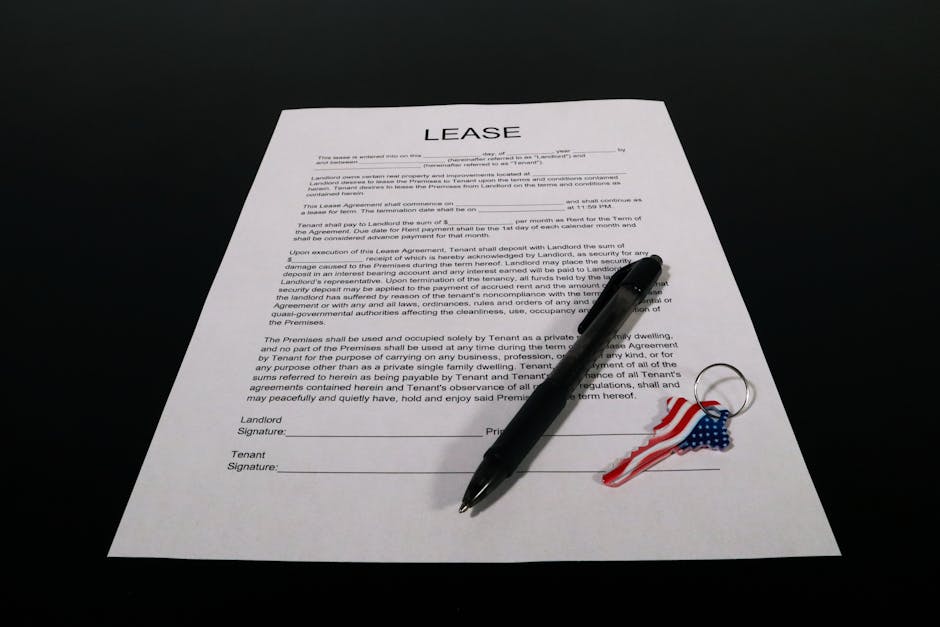
CR2 flats rubbish clearance guide for landlords and tenants

If you manage a flat in CR2 or you live there and need to clear bulky rubbish quickly, the process can feel more awkward than it should. Shared entrances, tight stairwells, neighbours who notice everything, and the dreaded question of who pays all make it messy. This CR2 flats rubbish clearance guide for landlords and tenants breaks it down in plain English, so you can handle a clear-out without creating complaints, delays, or avoidable costs.
Whether you are dealing with end-of-tenancy waste, a post-renovation pile-up, an abandoned sofa, or just the sort of clutter that builds quietly in a corner for months, the right approach matters. In our experience, the difference between a smooth clearance and a stressful one is usually planning. A little bit of it. Not loads. Just enough.
Below, you will find a practical guide to the process, the common problems, what landlords and tenants should agree on early, and which clearance methods tend to work best in flat blocks. There is also a checklist, a comparison table, and a realistic example to help you picture how it works day to day.
Why CR2 flats rubbish clearance guide for landlords and tenants Matters
Flat clearance in CR2 is not quite the same as clearing a house. In a block of flats, rubbish has to move through shared hallways, lifts, stairwells, courtyards, and parking areas. That means more eyes on the job and more chances for something to go wrong. A bag left in the wrong place can become a complaint by lunchtime. A sofa wedged halfway down a staircase can become a problem for everyone.
For landlords, rubbish clearance is often tied to void periods, inspections, check-outs, and preparing a property for the next occupant. Delays can cost money and make a flat harder to re-let. For tenants, the issue is often about moving out cleanly, avoiding deductions, and not leaving behind items that are classed as waste rather than personal possessions. Straightforward? In theory, yes. In practice, not always.
It also matters because improper disposal can lead to fly-tipping, pest issues, blocked access routes, or damage to communal areas. In a block, even a small clearance job can create inconvenience if nobody has thought through access, timing, or sorting. That is why a clear plan saves headaches.
Expert summary: the safest flat clearances are the ones where landlord, tenant, and clearance team agree on access, item types, timing, and responsibility before anything is moved. Sounds obvious, but you would be surprised how often it gets skipped.
How CR2 flats rubbish clearance guide for landlords and tenants Works
At a practical level, rubbish clearance for flats usually follows one of three routes: a skip-based solution, a wait-and-load collection, or a man-and-van style removal. Each one suits different buildings and different volumes of waste. The best fit depends on how much needs removing, whether the property has parking or loading space, and whether you need the waste gone in one visit or over a slightly longer window.
The process normally starts with a quick assessment. What is being removed? Is it general household rubbish, old furniture, broken appliances, mixed waste from decorating, or a mix of everything? Once that is clear, the next question is access. Can a vehicle park close by? Is there a lift? Will bulky items fit through the stairwell without scraping walls? These details decide whether you can use a domestic skip hire approach, a wait-and-load skip hire service, or something more flexible like man and van clearance.
In a flat block, timing matters too. Morning collections can avoid peak footfall. Midday can work well if access is easier, but you may have to deal with more residents moving around. Late afternoon can be awkward if parking is busy. There is no perfect slot every time, but there is usually a least-bad one.
For larger or heavier loads, especially if the waste has to be moved from a basement, rear service yard, or awkward communal route, a grab lorry hire option can be useful where access allows. If the issue is simply too much mixed rubbish to move by hand, then a structured rubbish removal service may be the cleaner answer.
The main point: the method should suit the building, not the other way round.
Key Benefits and Practical Advantages
When clearance is handled properly, it does more than just make a flat look tidier. It helps everyone involved move forward faster.
- Landlords get quicker turnaround: a cleared flat can be cleaned, inspected, and re-let sooner.
- Tenants reduce the risk of deductions: leaving less behind usually means fewer disputes at check-out.
- Communal areas stay cleaner: that matters a lot in shared blocks where mess is visible to everyone.
- Waste is sorted more responsibly: reusable and recyclable materials are easier to separate when the job is planned.
- There is less manual lifting stress: bulky items like wardrobes, mattresses, and appliances can be awkward on stairs, and frankly nobody enjoys that part.
There is also a quieter benefit: peace of mind. You know the rubbish is dealt with. No lingering bags in the hallway. No "we'll sort it later" pile sitting by the front door for three days. That feeling matters more than people admit.
For larger landlord portfolios, having a repeatable process also helps keep standards consistent from one flat to the next. You are not reinventing the wheel every time a tenancy ends. That alone saves time.
Who This Is For and When It Makes Sense
This guide is useful for a few different people, and the situations can look quite different on the surface.
Landlords and letting agents need it when a tenant has moved out and left behind rubbish, unwanted furniture, broken items, or bags of mixed waste. It also helps when a flat is being refurbished between tenancies. If the property has to be ready for viewings quickly, rubbish clearance becomes part of the turnaround plan, not an afterthought.
Tenants may need it when moving out, downsizing, or clearing accumulated clutter before handing the keys back. That might mean old furniture, bagged household rubbish, appliances, or things that simply will not fit in a normal car. You know the sort of move where the last hour becomes a blur of tape, dust, and "how did we end up with three broken lamps?"
Block managers and resident associations may need a coordinated clearance when communal storage areas, bin stores, or vacant flats have been used badly over time. In some cases, a well-organised clearance can prevent ongoing complaints from residents who are tired of seeing overflow waste in shared spaces.
It makes sense when:
- the waste volume is too much for normal bins
- items are too bulky to carry down safely by hand
- the flat needs to be returned in a clean, presentable state
- you want to reduce disruption in a shared building
- you need a more reliable option than hoping a friend with a van can help at short notice
If the job includes furniture, fixtures, or appliances, it may also be worth checking specialist services such as mattress and sofa disposal or fridge and appliance removal rather than trying to bundle everything into one unsuitable load.
Step-by-Step Guidance
Here is a sensible way to handle flat rubbish clearance without making it more complicated than necessary.
-
Identify what needs to go.
Separate general rubbish, bulky items, reusable items, and anything that may need special handling. A quick room-by-room sweep is usually enough.
-
Check who is responsible.
For a tenancy, responsibility often depends on the tenancy agreement and what was left behind. Landlords should confirm whether the tenant is clearing all waste or whether some items are being removed as part of property management. Keep it clear. Clearer than you think you need to.
-
Review access and parking.
Measure doorways if needed, note stair width, and check whether a vehicle can stop near the entrance. In many flats, this step decides the whole plan.
-
Choose the right removal method.
For smaller loads, same day skip hire or a local clearance service may be suitable. For loads that need to be taken away quickly without leaving a skip on site, wait and load skip hire can be practical. For heavier, messier, or more awkward waste, a team-based collection may be better.
-
Sort items before collection.
Separate anything recyclable, valuable, confidential, or hazardous. A little sorting at the start saves time later and can reduce waste handling issues.
-
Protect communal areas.
Use floor protection where needed, keep lifts free if possible, and avoid leaving waste in corridors. Nobody wants a pile-up by the fire door. That is just asking for trouble.
-
Arrange safe lifting and removal.
Bulky items should be moved carefully, especially on stairs. If you are unsure whether something can be lifted safely, stop and reassess. It is not worth an injured back or damaged wall.
-
Confirm disposal and recycling.
Choose a provider that explains how waste is handled. Responsible waste recycling services help keep reusable materials out of general disposal where possible.
If you are unsure which route fits your property, a quick look at what can go in a skip is a practical starting point. It helps you avoid loading the wrong items, which is one of the most common mistakes.
Expert Tips for Better Results
Here are the small things that tend to make the biggest difference.
- Book the clearance before the deadline pressure hits. If the move-out day is already chaotic, every extra hour feels twice as long. Plan earlier if you can.
- Take photos before and after. Landlords use them for records, and tenants can use them to show the flat was cleared properly. It is a simple habit, but a good one.
- Keep a short written agreement on responsibility. Even a brief email can stop arguments later.
- Use lockable or enclosed options where visibility is an issue. If the waste needs to stay on site for a short period, an enclosed and lockable skip hire option can reduce interference and keep things tidier.
- Plan for one awkward item. There is usually one thing that causes the problem: a sofa that will not bend, a fridge with nowhere to turn, or a wardrobe panel too large for the lift. Expect it, and the rest feels easier.
Another tip: talk to neighbours if the clearance is likely to be noticeable. A quick note or a polite heads-up can reduce tension. Not every building needs that, but when it does, it helps a lot.
And if you are managing multiple flats, build a simple repeat process. Same checklist, same booking window, same handover notes. It saves time and keeps standards consistent. Simple systems are boring, yes, but they work.
Common Mistakes to Avoid
Most clearance headaches come from a few predictable errors. The good news? They are easy to avoid once you know them.
- Leaving waste in communal areas for "just a bit". That turns a tidy-up into a block problem very quickly.
- Assuming the lift can handle everything. It often cannot, especially with large furniture or heavy appliances.
- Mixing normal rubbish with prohibited items. Hazardous materials, some appliances, and certain bulky items may need separate handling. When in doubt, ask first.
- Booking too late. Then the only available slot is awkward, expensive, or both. Annoying, but common.
- Not checking parking or access restrictions. In flat blocks, this can derail a whole collection.
- Forgetting about confidential waste. Old tenancy paperwork, statements, or tenant information should not end up in a general pile. If documents are involved, consider confidential shredding.
Another small but common slip is underestimating how long sorting takes. A bag of rubbish is quick. A flat full of mixed items, not so quick. Be realistic, and your whole day goes better.
Tools, Resources and Recommendations
You do not need fancy equipment for a flat clearance, but a few basic tools help a lot.
- Heavy-duty bin bags for loose rubbish and soft waste
- Gloves for general handling and protection
- Furniture blankets or wraps to protect walls and corners
- Labels or tape to separate keep, donate, recycle, and remove piles
- Trolley or sack truck where safe and suitable for the building layout
- Measuring tape for doorways and large furniture
For service planning, the most useful page to review is often skip sizes and prices. It gives you a better sense of what capacity might match the job without over-ordering or under-ordering. That said, if access is tight or you cannot keep a skip outside, a collection-based method may be easier.
If your flat clearance is part of a wider move-out or refurbishment, it can also help to look at house clearance for larger-scale clear-outs or domestic skip hire for regular household-type waste. These are not identical services, but they often overlap in real life.
For landlords with office-based admin or multiple units, the same mindset applies to paperwork and bulky leftovers. Oddly enough, a good clearance plan in a flat can be as organised as a decent office move. Nearly. Not always, but nearly.
Law, Compliance, Standards and Best Practice
Flat rubbish clearance in the UK should always be handled carefully, especially where landlord responsibility, tenant obligations, and waste duty of care overlap. You do not need to overcomplicate the legal side, but you do need to be sensible.
Best practice generally means:
- using a licensed, reputable waste carrier
- keeping a record of what was removed and when
- making sure waste is not left in shared areas or blocking fire routes
- separating hazardous items from standard household waste
- checking your tenancy agreement or inventory notes before charging for clearance work
For landlords, the key point is to avoid disputes by documenting the condition of the flat before and after move-out. For tenants, the key point is to return the property in the agreed condition and not assume someone else will deal with the rubbish unless that has been clearly arranged. It sounds simple because it is simple. The hassle comes when nobody says it out loud.
If the waste includes fridges, freezers, or similar appliances, use a proper removal route rather than leaving them in or near communal bins. If there are damaged sofas or mattresses, check the handling approach before collection. Some items are awkward, some are bulky, and some are just miserable to move. That is life, I suppose.
For business and landlord users who need a broader understanding of how waste is handled, insurance and safety, health and safety policy, and payment and security can be helpful references when reviewing a provider's approach.
Options, Methods, or Comparison Table
Different flats call for different methods. Here is a simple comparison to help you judge the right fit.
| Method | Best for | Pros | Potential drawbacks |
|---|---|---|---|
| Domestic skip hire | Medium-sized clearances with suitable access | Good capacity, straightforward for mixed waste | May need space outside and sometimes a permit |
| Wait and load | Flats with limited parking or no long-stay space | No skip left on site, quick turnaround | Needs the waste ready to load during the visit |
| Man and van | Bulky items, mixed household rubbish, small-to-medium loads | Flexible, hand-loaded, suitable for awkward access | Not always ideal for very large volumes |
| Grab lorry | Heavier waste with accessible loading space | Fast removal, useful for bulky piles | Requires enough external access for the vehicle |
| Enclosed or lockable skip | Shared sites where security or tidiness matters | Reduced interference, better containment | May not suit every access point |
For many CR2 flats, the real decision comes down to access. If you can keep waste contained and load it quickly, life is easier. If not, a hand-loaded solution can be far less stressful than trying to force a skip into the wrong place.
There is also a useful middle ground when you want flexibility without overcommitting: book online once you know the likely load and timing, then confirm the detail before collection day. That saves a few back-and-forth messages, which is always welcome.
Case Study or Real-World Example
Here is a typical scenario. A landlord in a CR2 flat block gets notice that a tenant has moved out, but the flat still contains a broken bedside unit, an old mattress, two bags of mixed rubbish, a small fridge, and a couple of boxes of miscellaneous items from the airing cupboard. Nothing dramatic, just the usual end-of-tenancy chaos.
Access is not brilliant. The flat is on the second floor, the lift is small, and the communal parking is tight in the late morning. Rather than trying to move everything piecemeal over several days, the landlord and contractor agree on a single clearance slot early in the day. The mattress is handled separately, the fridge is assessed for specialist removal, and the rest is sorted into general waste and reusable items. A quick route through the building is agreed in advance so the hallway is not blocked. Simple, but effective.
The result is a cleared flat ready for cleaning and inspection the same day. No drama in the corridor. No pile of mystery items left behind. And no angry email from a neighbour asking why a sofa was parked near the fire exit. That last part alone is worth planning for.
What makes this work is not magic. It is the combination of early planning, sensible sorting, and choosing a method that suits the building. That is usually the whole game.
Practical Checklist
Use this checklist before any flat clearance in CR2:
- Confirm who is responsible for the waste
- List all items to be removed
- Separate rubbish, furniture, appliances, and sensitive documents
- Check access, lift size, and parking conditions
- Choose the best removal method for the building
- Protect floors, walls, and communal areas where needed
- Make sure nothing is left in corridors or by exits
- Ask how recyclable material will be handled
- Keep photos or notes for records
- Review any tenancy or handover obligations before finishing
If you can tick most of those boxes before collection day, the job is usually much calmer. Not perfect. Just calmer. And honestly, that is often enough.
Get a free quote today and see how much you can save.
Conclusion
A good CR2 flat clearance is really about three things: planning, access, and responsibility. Get those right and the whole process becomes much easier for both landlords and tenants. Get them wrong and even a small amount of rubbish can turn into a surprisingly large problem.
The best results come from choosing a method that fits the property, not forcing the property to fit the method. That means thinking about communal areas, bulky items, timing, and what needs special handling before collection day. Once you do that, the rest tends to fall into place.
Whether you are trying to return a flat to a clean standard, prepare for new tenants, or just remove a pile that has been irritating you for weeks, the aim is the same: clear the space safely, responsibly, and without creating extra friction. A tidy handover has a way of making everything else feel lighter. Funny how that works.
And when the last bag is gone and the hallway is quiet again, that little sense of order really does matter.
Frequently Asked Questions
What is the best rubbish clearance option for a CR2 flat?
The best option depends on access, volume, and how quickly the waste needs to go. For some flats, a skip works well; for others, a wait-and-load or man-and-van service is more practical.
Can a tenant leave rubbish behind after moving out?
Generally, tenants should not leave rubbish behind unless the landlord has clearly agreed otherwise. Leaving waste in a flat often leads to cleaning charges or deposit deductions.
Do landlords have to clear rubbish left in a flat?
Landlords often arrange clearance if waste is left behind, especially if the property needs to be turned around quickly. Who pays usually depends on the tenancy agreement and the condition of the property at handover.
Is skip hire suitable for flat clearances?
Yes, sometimes. It works best when there is enough outside space and the building access makes loading straightforward. If parking or permits are a problem, another method may be easier.
What if the flat has no parking space?
In that case, a no-skip option such as wait and load or a hand-loaded rubbish removal service is often more suitable. The aim is to avoid blocking the road or causing neighbour issues.
Can bulky furniture be removed from upstairs flats?
Yes, but it should be done carefully. Measure doorways, check stair turns, and consider whether the item is safe to move without damage. Sofas, wardrobes, and beds can be trickier than they look.
What should be done with old appliances?
Fridges, freezers, and similar appliances should be handled through an appropriate removal route. They should not be dumped in shared bin areas or left outside casually.
How can I avoid disputes between landlord and tenant?
Keep the expectations in writing, take photos before and after, and agree who is clearing which items before the move-out date. A little clarity early on saves a lot of back-and-forth later.
Are there items that need special disposal?
Yes. Hazardous items, confidential paperwork, and some appliances may need separate handling. If you are unsure, treat them cautiously and ask before mixing them with general waste.
How do I choose between man and van and skip hire?
Choose man and van for awkward access, smaller to medium loads, or bulky items that need hand-loading. Choose skip hire when you have enough space and a larger volume of mixed waste.
Can waste be recycled during a flat clearance?
Often, yes. Many clearance jobs include recyclable materials, reusable furniture, and metal or appliance waste that can be handled more responsibly when sorted properly.
How soon should I book a clearance service?
As early as you can, especially if you are working to a tenancy end date or a re-let deadline. Booking earlier gives you more flexibility and reduces the chance of a last-minute scramble.